

How Much Caffeine is Actually in Your Coffee?
A common coffee myth is that dark roast gets its strong flavour because of higher levels of caffeine. While roast has a big impact on your coffee, it affects caffeine levels less than many people might think.
Brewing method, serving size, and your drink of choice play a much bigger role in how much caffeine ends up in your cup. And with something as important as your daily intake, you need to be able to make an informed choice about what you're drinking; whether you reach for coffee, tea, or something in between.
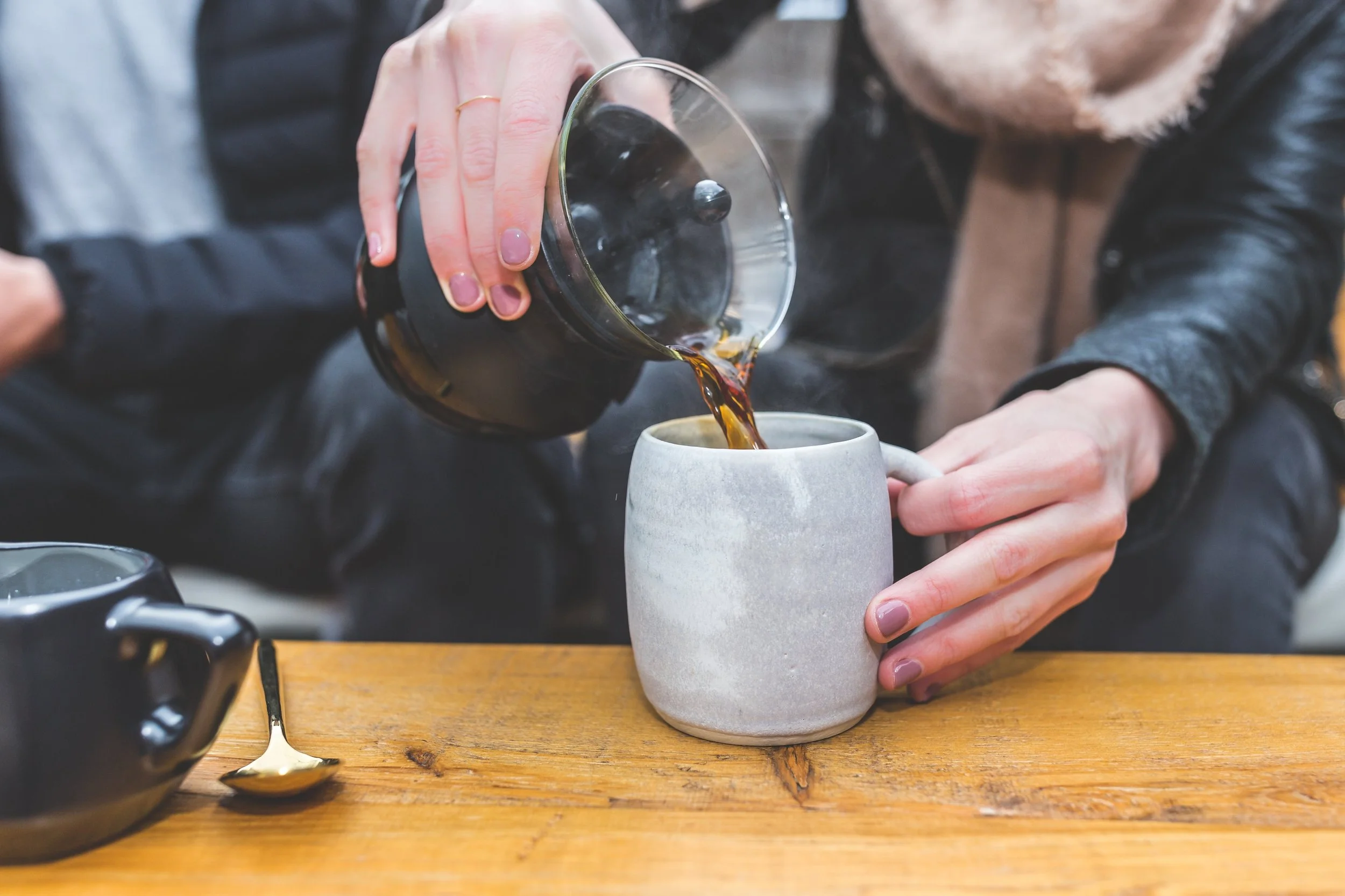
Does Dark Roast Have More Caffeine than Medium Roast?
Medium and dark roasts contain very similar amounts of caffeine, but some details can affect your end result. Dark roast beans are less dense, so a scoop of dark holds slightly less coffee by weight than a scoop of medium. When measuring by volume, you may end up using fewer beans in your cup.
Roasting also causes a small amount of caffeine loss, meaning lighter roasts may retain slightly more caffeine than darker roasts. However, this difference is minimal, and the amount of coffee you use and how you brew it will generally have a greater impact on your final caffeine content.
In a typical cup, the difference is so small that it's unlikely you'll notice it. Instead, choose your roast based on flavour.
Why Does Decaf Still Contain Caffeine?
Despite the name, decaf isn't completely caffeine-free. Rather than removing caffeine through roasting, decaffeination takes place while the coffee beans are still green.
There are several ways to remove caffeine from green coffee beans, including water-based methods, carbon dioxide processing, and solvent-based methods. At Humble Coffee Roasters, we use the natural process with ethyl acetate derived from fruits or sugarcane. This method removes caffeine while preserving the coffee's flavour characteristics, allowing us to roast the beans for the taste and profile we want to achieve.
Most decaffeinated coffees have around 97–99% of their caffeine removed. A typical cup of decaf contains about 2–5 mg of caffeine, compared to roughly 95 mg in a regular brewed coffee. For most people, that's a small amount, but it's good to know if you're especially sensitive to caffeine.
What Else Influences Caffeine Level?
Growing conditions including altitude, soil chemistry, climate, and farm practices can affect how much caffeine the coffee plant produces before the beans are even harvested. Higher elevations may also be associated with lower caffeine levels, as caffeine helps plants defend against insects, which are generally less common at higher altitudes.
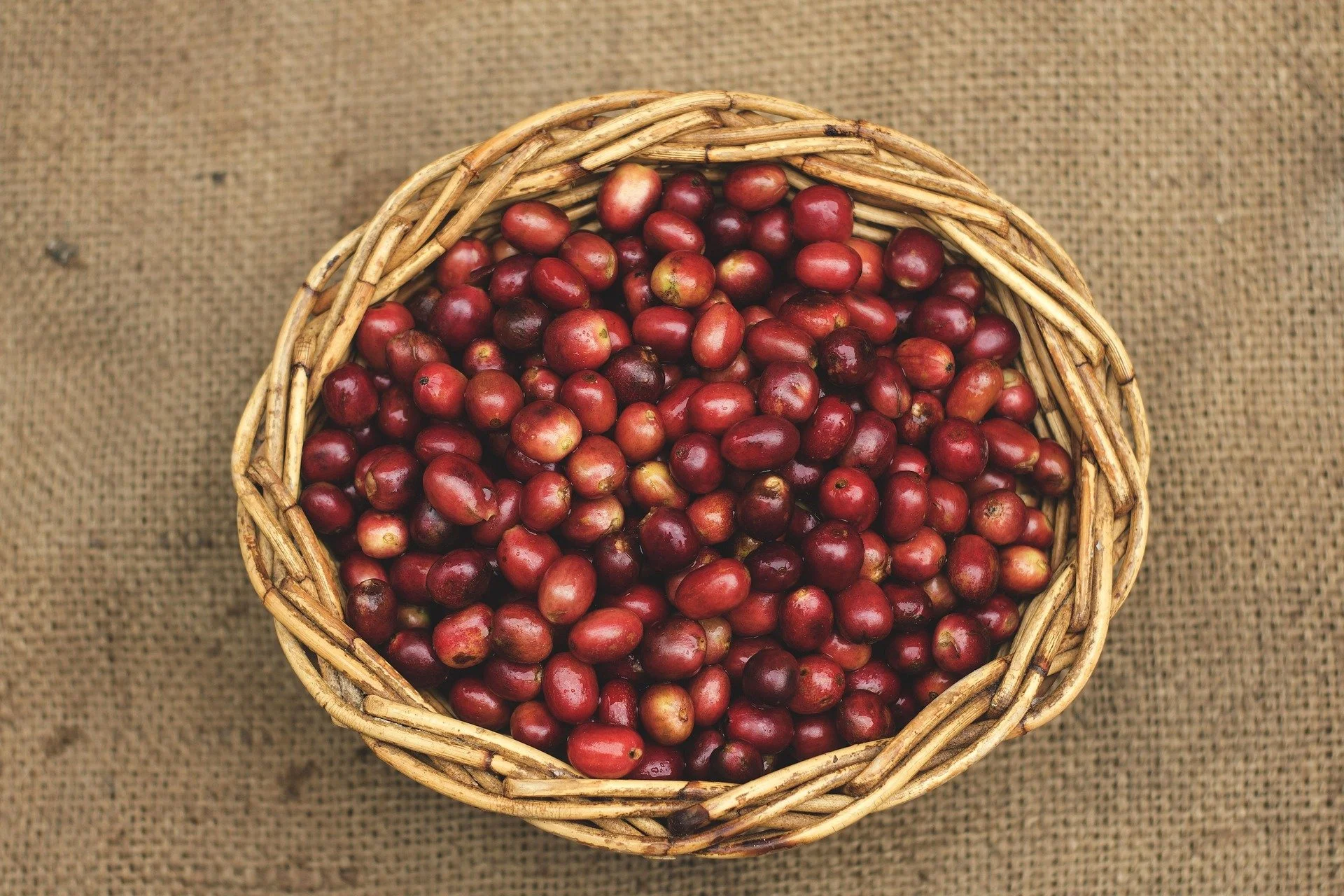
Once the coffee is made, brew method, contact time, grind size, and coffee-to-water ratio can all affect how much caffeine ends up in your cup.
Generally, longer contact times allow more caffeine to be extracted, and a finer grind can increase extraction by giving the water more surface area to work with. Using more actual coffee grounds relative to water can also result in a higher caffeine concentration. The same beans can produce noticeably different caffeine levels depending on how they’re brewed.
Which Coffee Drink Has the Most Caffeine?
The details throughout the growing and roasting process can change caffeine levels, even from one cup of brewed coffee to the next. Two cups of medium roast can still have slightly different amounts of caffeine.
However, this graph shows close approximates for different beverages.
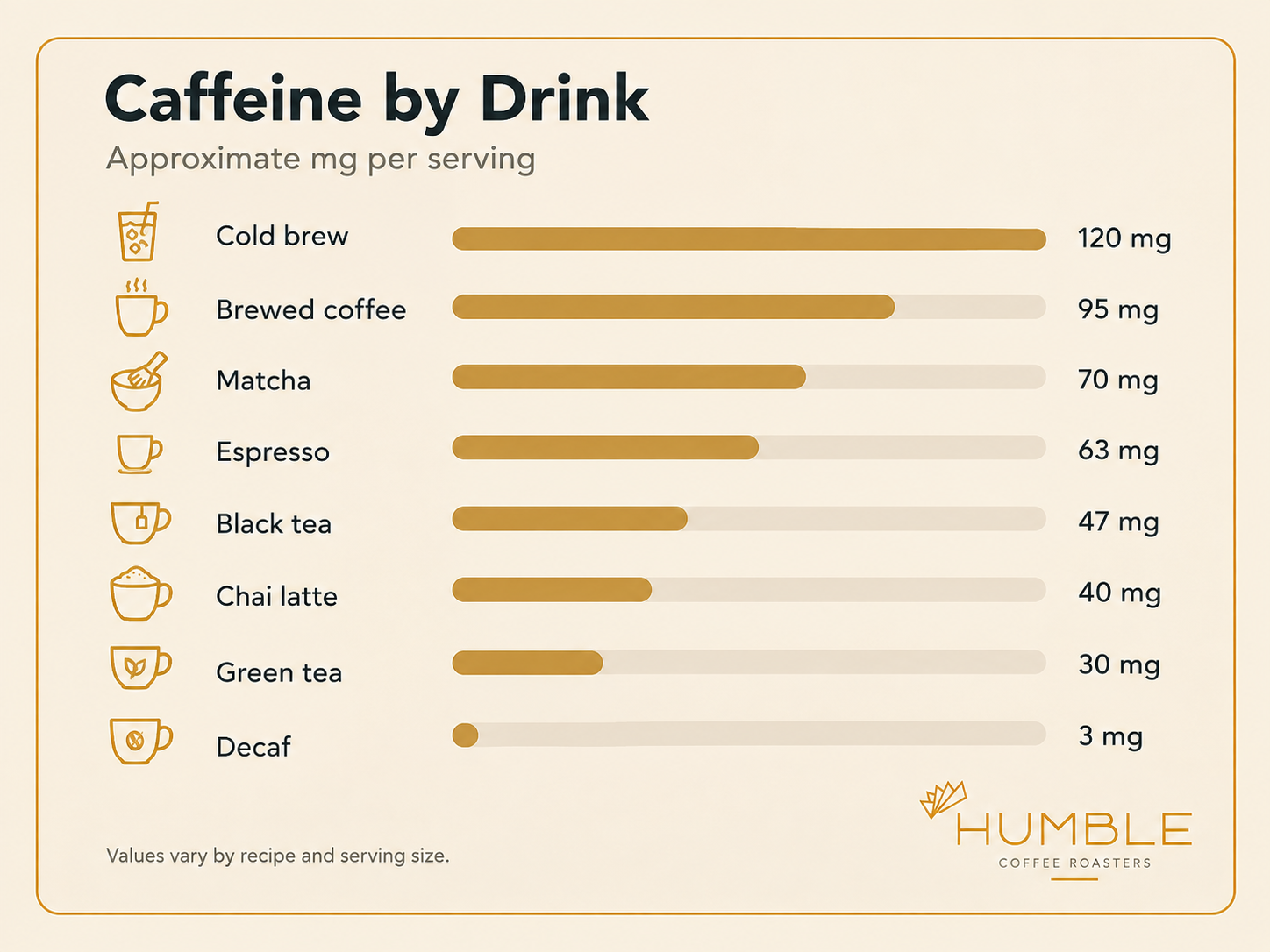
Estimates based on standard serving sizes.
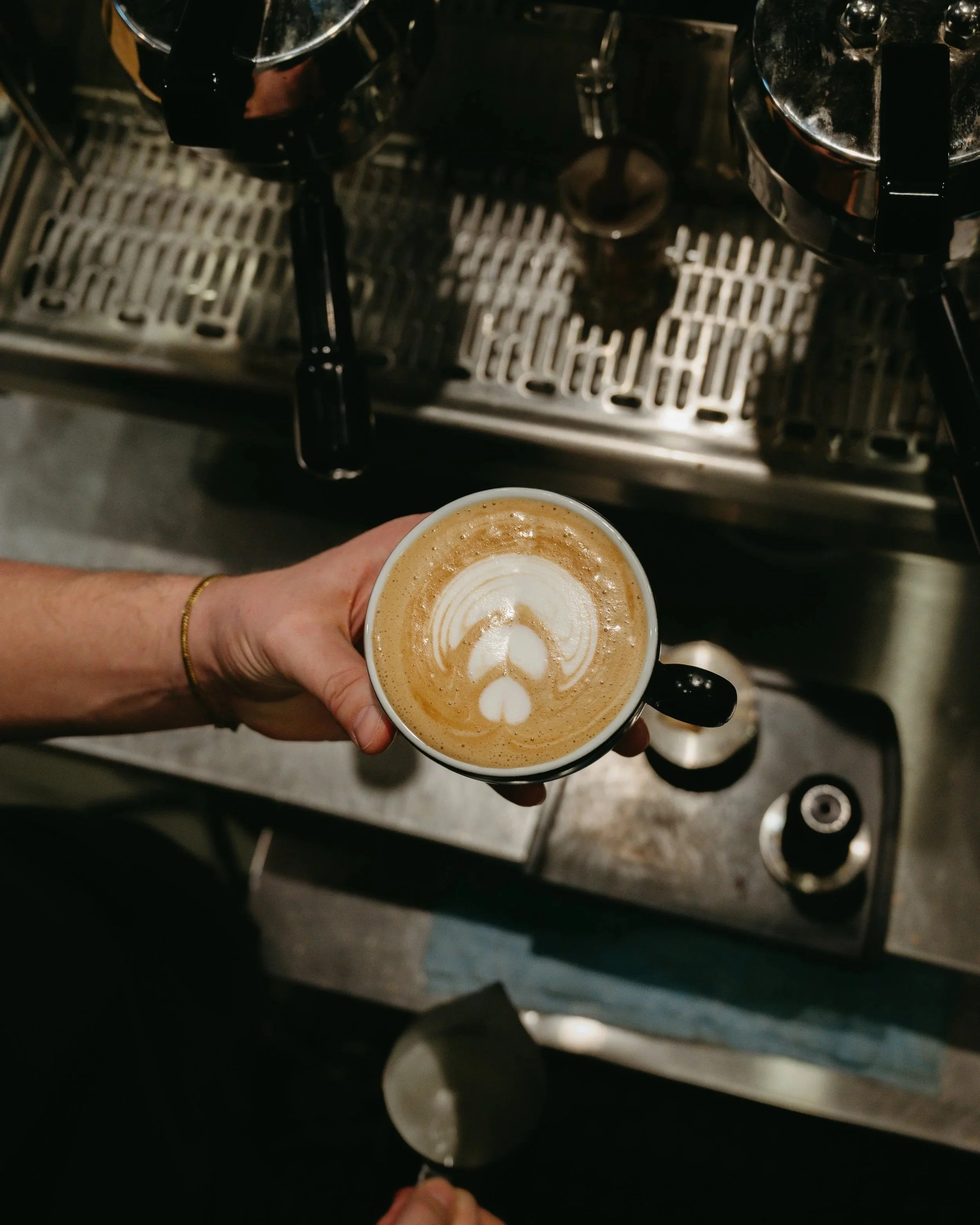
A single shot of espresso is highly concentrated, but because it's much smaller than a mug of coffee, a regular brewed coffee often contains more total caffeine.
If your regular drink has two shots of espresso, however, you can assume approximately double the amount that is listed above.
How Much Caffeine is in Tea?
Tea naturally contains less caffeine than most coffee, making it a great option if you're looking for a gentler boost.
Matcha: Many people find matcha’s energy feels steadier.
Black tea: A balanced afternoon pick-me-up.
Chai latte: Moderate caffeine with warming spices.
Green tea: Light, refreshing, and lower in caffeine.
Choose Flavour First
When it comes to coffee, caffeine shouldn't be the deciding factor. Whether you prefer a smooth medium roast, a rich dark roast, or even a comforting cup of decaf, the best coffee is the one you genuinely enjoy drinking.
There is plenty that goes into finding your perfect match, far beyond just caffeine levels. Learn more about how roast levels, elevation, and processing methods affect taste so you can finely tune your preferences.
